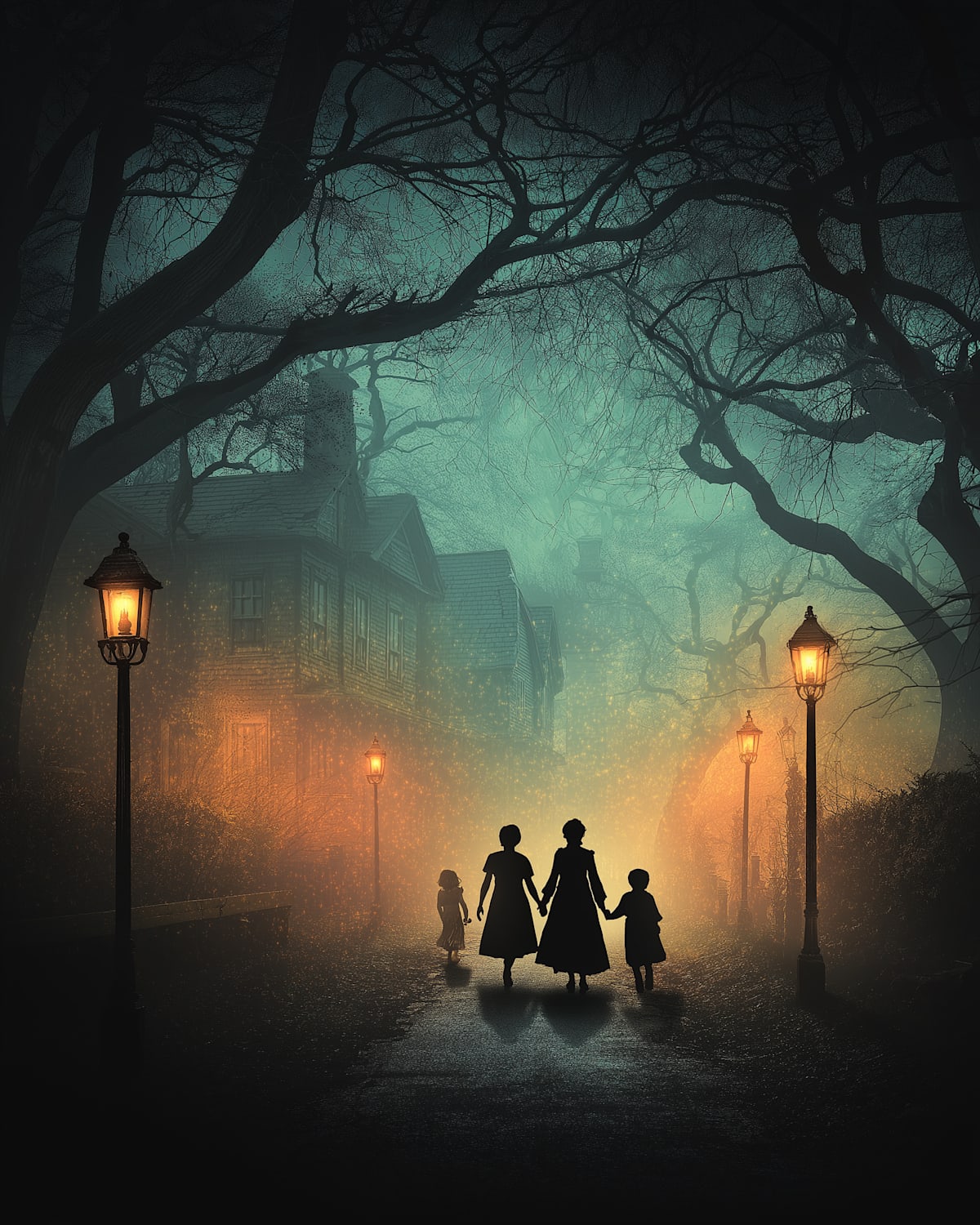
Long before the rebellion had a name, the world grew quiet.
Not the quiet of peace.
The quiet of erasure.
Across the great cities of the Archive Authority, information flows with flawless precision. Every message is tracked. Every record preserved. Every story cataloged within the great digital vaults that govern humanity’s collective memory. Citizens live within a system designed to protect them from the chaos of the past.
But sometimes the system forgets things.
A line disappears from a history text.
A philosopher’s work vanishes from the global archive.
A book checked out from a university library is quietly flagged and never returned.
Most people never notice.
But somewhere beneath the endless corridors of data, fragments of the lost world still survive.
They exist in forgotten storage vaults beneath shuttered libraries, in damaged servers that no longer report to the central network, and in the memories of those who refuse to forget what once was written. These fragments whisper to anyone brave enough to listen.
And whispers have a dangerous way of spreading.
In hidden corners of the city, students begin to notice contradictions in official history. Archivists discover gaps in the records they are sworn to preserve. A handful of banned manuscripts—believed destroyed decades earlier—resurface in places they should not exist.
The authorities call these anomalies system errors.
Others call them something else.
Echoes.
Echoes of voices the world was never meant to hear again.
As those echoes grow louder, a quiet question begins to ripple through the underground networks of the Literary Defense Corps:
What if the past was not erased…
only buried?
And if the truth is still out there—waiting in forgotten pages and lost archives—then someone, somewhere, will have to uncover it.
Because once a whisper becomes an echo, silence is no longer possible.